
The US plans to start checking all tourists’ social media. | US News
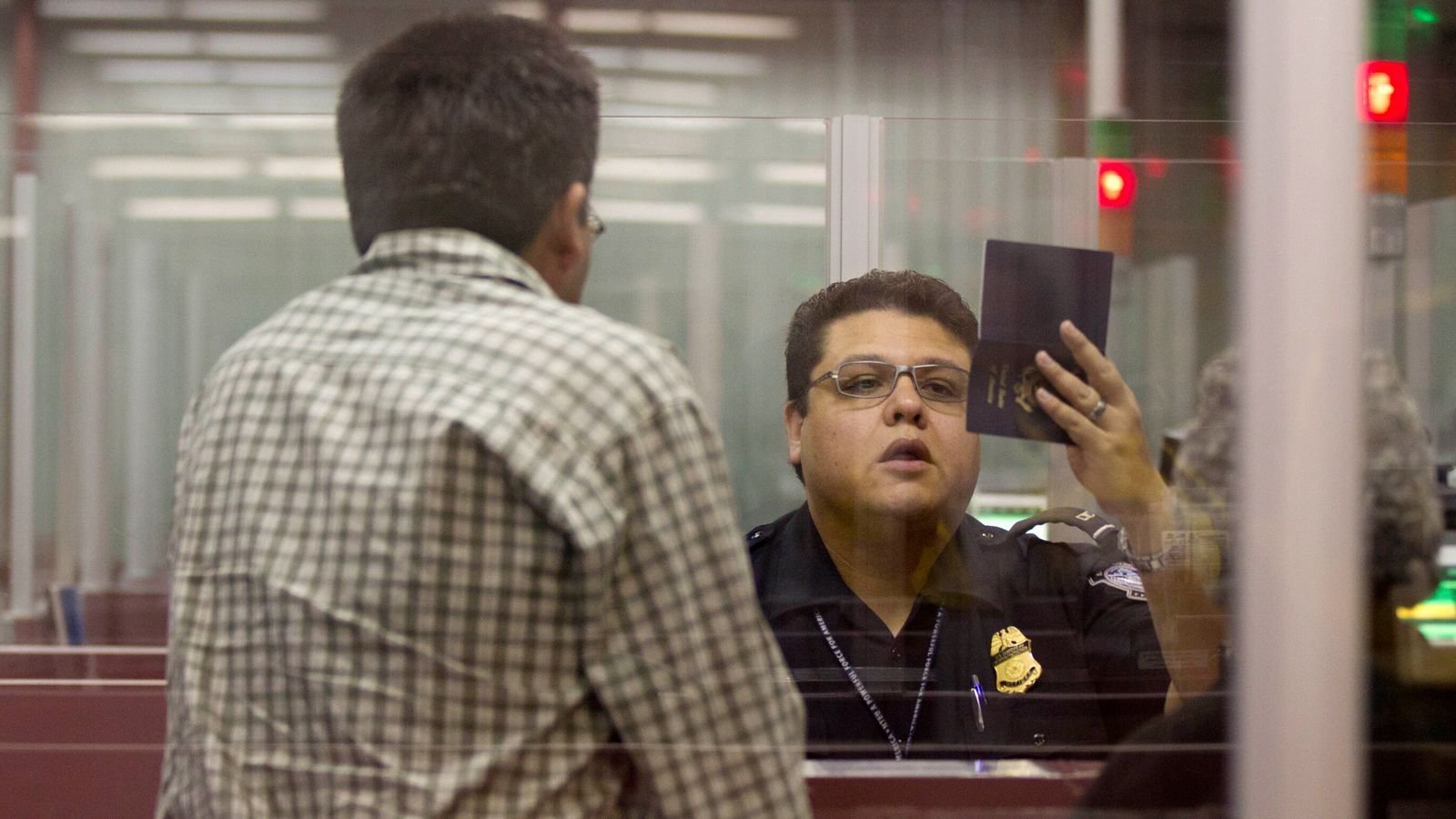
All tourists – including those from Britain – will have to undergo a social media screening before being allowed entry into the US under new plans being considered by the country’s border force.
Currently, Britons are among those who can visit for up to 90 days without a visa. All they need to do is purchase an Electronic Travel Authorisation (ESTA) for $40 (£30).
Customs and Border Protection (CBP) is proposing a potential social media mandate that would apply to all visitors, regardless of their visa requirements.
According to a notice published in America’s Federal Register on Tuesday, foreign tourists would need to provide their social media from the last five years.
Pic: iStock
It will be “mandatory” to hand over the information, and other details – including email addresses and telephone numbers used in the last five years, as well as the names, addresses, numbers, and birthdays of family members – will also be required.
Currently, as part of the ESTA application process, a tourist from Britain would have to provide an email address, home address, phone number, and emergency contact details. If approved, the ESTA lasts for two years.
CBP is proposing that moving forward, ESTA applications would require a selfie.
It further wants to collect biometrics – face, fingerprints, DNA and iris – as part of the ESTA application. It currently only records faces and fingerprints upon arrival at the US border.
The proposed changes are open for public consultation for 60 days.
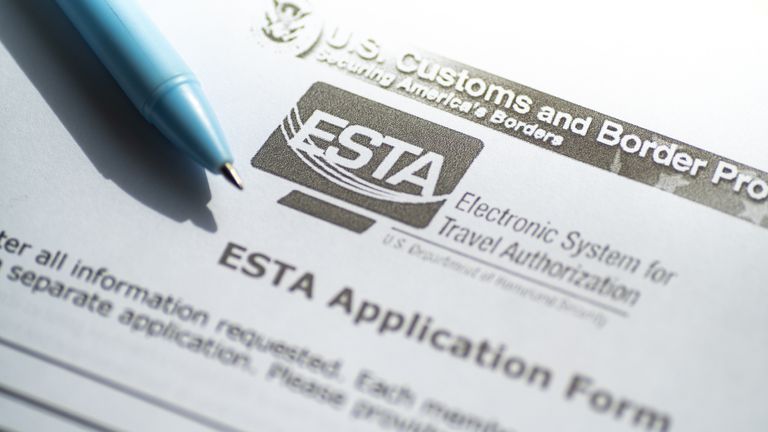
The image depicts an ESTA application form. Pic: iStock
who was turned away at the US border in March
There have been several reports of travellers having already been denied entry into the US over social media posts and messages found on their personal devices after President Donald Trump took office in January.
This includes a French scientist who was turned away at the US border in March after messages “that reflect hatred toward Trump and can be described as terrorism” were found on his phone.
Despite Mr. Trump vowing to “restore freedom of speech” on online platforms and end “federal censorship” when he took office, he has found himself at the centre of various free speech debates since.
In September, talk show host Jimmy Kimmel was taken off-air by Disney-owned ABC over comments he made about the assassination of the right-wing influencer Charlie Kirk.
Mr. Kimmel accused the Trump administration and its allies of “working very hard to capitalise on the murder of Charlie Kirk,” with the president among those who pinned it on left-wing extremism.
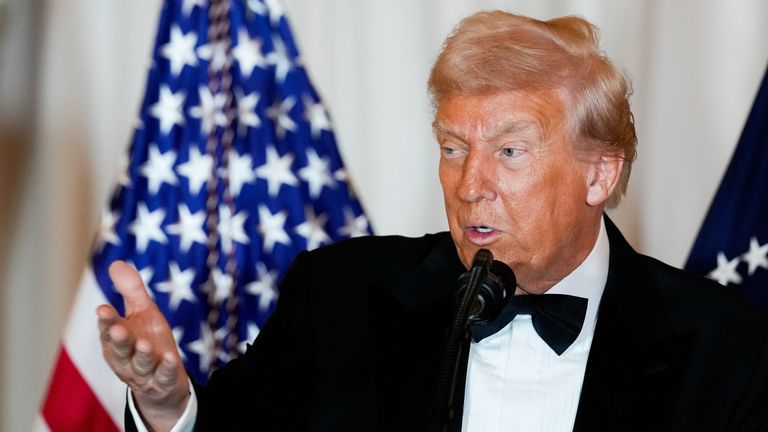
President Donald Trump has been at the centre of several free speech rows. Pic: AP
At the time, Mr Trump suggested certain networks should have their licences revoked over a lack of support for him.
Mr Kimmel’s show was reinstated less than a week after his suspension following widespread backlash from celebrities and viewers. This is the reality of Trump’s trade war
Trump’s verdict on America’s traditional allies
And in April, Harvard University sued the Trump administration for seeking “unprecedented and improper” control of the school, after it froze $2.6bn (£1.9bn) of its federal funding.
Harvard’s lawsuit accused the government of waging a retaliation campaign against the university after it rejected a list of 10 demands from a federal antisemitism task force, which included sweeping changes related to campus protests, academics and admissions.
A judge ruled in September that the Trump administration’s freeze of billions in research funding to Harvard was unconstitutional and retaliatory, a decision the US government vowed to appeal.
An agreement has not yet been reached, so the fight between the Ivy League university and Mr Trump rages on.