
Beans & Lentils for Beginners: A Starter Guide to Using Legumes for Affordable Protein and Fiber
Introduction to Beans & Lentils for Beginners
Beans & Lentils for Beginners is your go-to guide if you want nutritious food that doesn’t strain your wallet. Whether you’re cooking for yourself or your family, legumes are one of the easiest and healthiest ingredients to start with. They’re filling, versatile, and packed with nutrients—what’s not to love?
Plant-based eating is no longer a trend; it’s a practical choice. Beans and lentils make it simple.
What Are Beans and Lentils?
Legumes are seeds that grow in pods. Beans and lentils both fall into this category, but they differ in size, cooking time, and texture.
Difference Between Beans and Lentils
Beans are usually larger and often need soaking before cooking. Lentils are smaller, cook faster, and are perfect for beginners.
Types of Beans Beginners Should Know
If you’re new, start with these popular options:
-
Kidney beans: Ideal for chilli and curries
-
Chickpeas: Great for salads and hummus
-
Black beans: Perfect for wraps and rice dishes
-
Pinto beans: Soft texture, excellent for stews
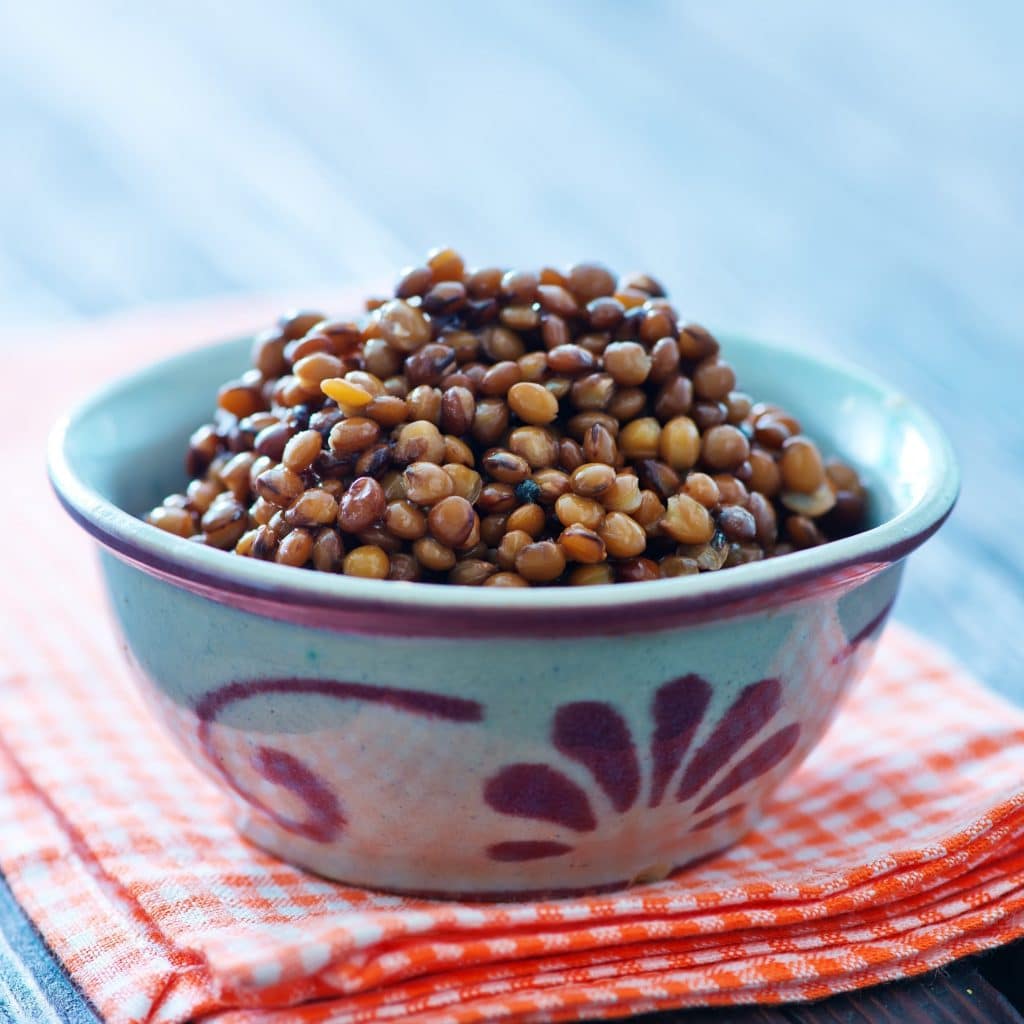
Types of Lentils Perfect for Beginners
Lentils are especially beginner-friendly:
-
Red lentils: Fast-cooking and soft
-
Green lentils: Hold shape well
-
Brown lentils: Versatile and mild
Nutritional Benefits of Beans and Lentils
Beans & Lentils for Beginners focuses on nutrition without complexity.
-
High protein: Supports muscle and energy
-
Rich in fibre: Aids digestion and heart health
-
Loaded with nutrients: Iron, folate, magnesium
They’re like nature’s multivitamin—simple and effective.
Why Beans & Lentils Are Affordable Protein Sources
Compared to meat, legumes cost far less and last longer. A single bag of dried lentils can make several meals at a fraction of the price.
Dried vs Tinned Beans and Lentils
Both options work well.
Tinned:
-
Quick and convenient
-
Ideal for beginners
Dried:
-
Cheaper long-term
-
More control over texture
Start with tinned if you’re unsure.
How to Cook Beans & Lentils for Beginners
Cooking Lentils
-
Rinse lentils
-
Boil with water
-
Simmer 15–25 minutes
Cooking Beans
-
Soak overnight (for dried beans)
-
Boil until tender
-
Season after cooking
Beginner-Friendly Cooking Tips
-
Start with small portions
-
Rinse tinned beans well
-
Add spices gradually
Your body adjusts over time—patience helps.
Easy Recipes for Beginners
-
Lentil soup
-
Chickpea salad
-
Simple bean curry
All are affordable, filling, and simple to use.
Meal Planning with Beans and Lentils
Cook once, eat twice. Beans and lentils store well in the fridge and freezer, making weekly meal prep simple.
Common Mistakes Beginners Make
-
Overcooking lentils
-
Forgetting to rinse beans
-
Adding salt too early
Avoid these and you’re golden.
Beans & Lentils in Different Cuisines
-
Asian: Dals and curries
-
Mediterranean: Salads and stews
-
Latin American: Rice and beans
They fit everywhere.
Environmental Benefits of Eating Legumes
Legumes use less water, improve soil health, and produce fewer emissions. Eating them helps the planet—one meal at a time.
Final Thoughts on Beans & Lentils for Beginners
Beans & Lentils for Beginners proves that healthy eating doesn’t have to be expensive or complicated. With simple steps and basic recipes, legumes can become a staple in your kitchen.
FAQs
1. Are beans and lentils good for daily consumption?
Yes, they’re safe and healthy when eaten in balanced portions.
2. Which lentil is best for beginners?
Red lentils—they cook quickly and are easy to digest.
3. Do beans replace meat completely?
They can replace some meals or be combined for balance.
4. How long do cooked beans last in the fridge?
Store them in an airtight container for up to 4 days.
5. Are beans and lentils good for weight management?
Yes, they’re filled and high in fibre.