JD Vance opposed the Iran-US war but failed to end it. world News
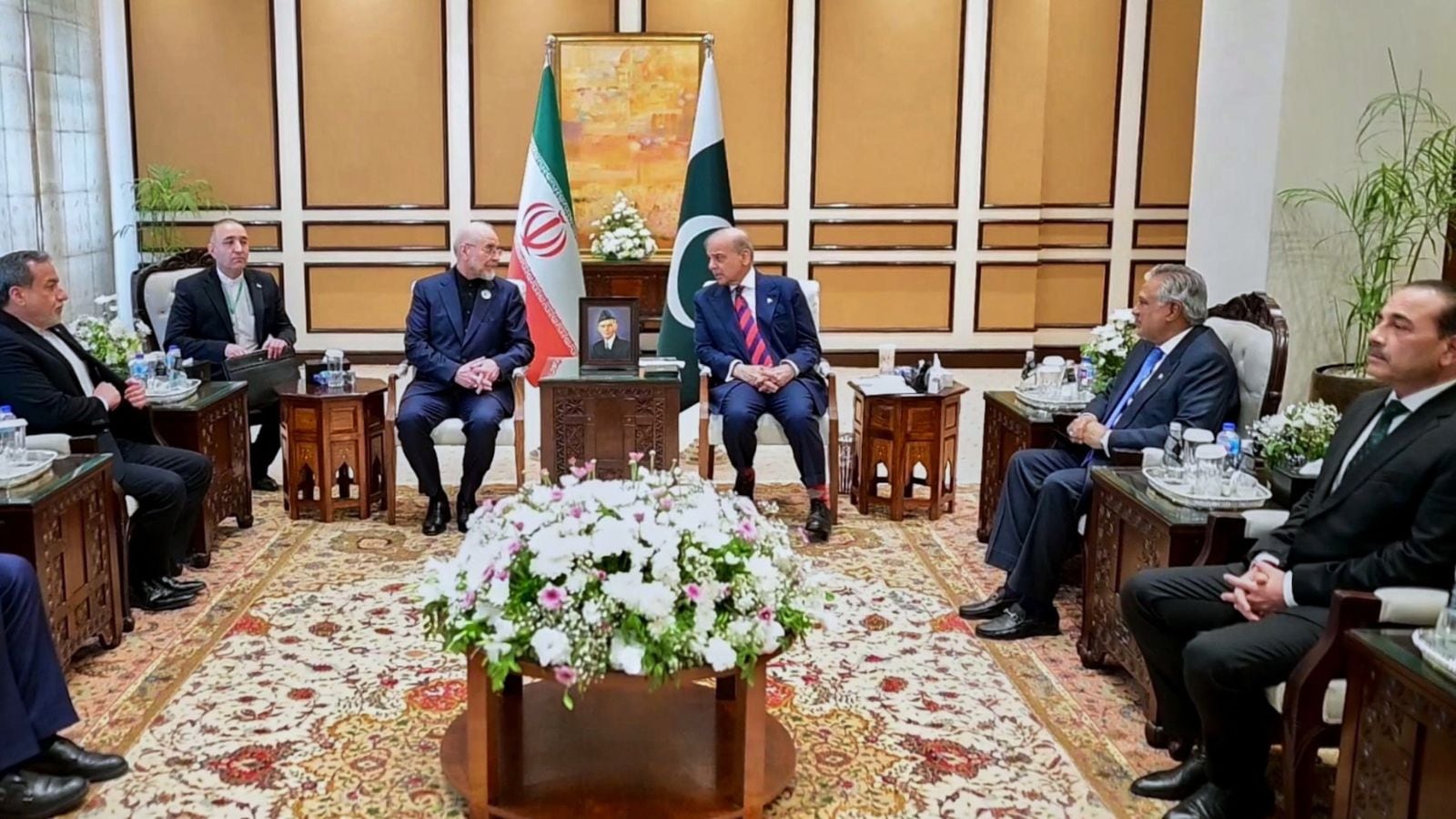
The talks ended without an agreement after more than 16 hours of closed-door talks between the United States and Iran.
with US Vice President JD Vance citing setbacks, a lack of progress, and unresolved issues between the two sides.
Leaving uncertainty over the ceasefire, Vance blamed Tehran for reneging on nuclear commitments and shared no details on the next move from President Donald Trump, who has vowed to wipe Iranian civilisation off the map.
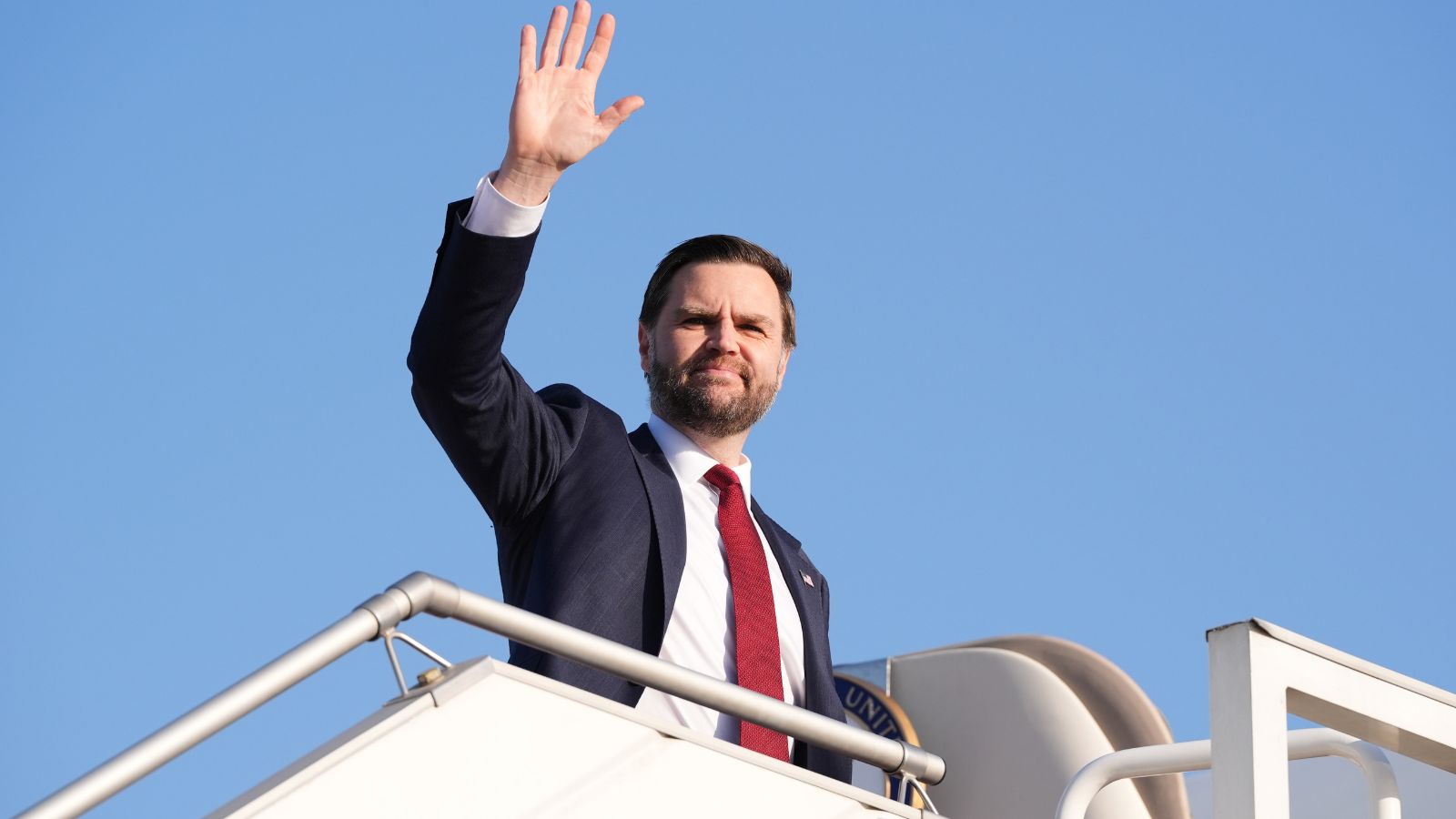
The US vice president, who never wanted Washington to go to war with Tehran, was assigned a rare diplomatic role to push talks between the warring countries but failed to secure an agreement. He returned to his homeland without any success.
Vance said on Sunday (April 12) that the 21-hour US-Iran talks led to “substantive discussions” but no agreement.
“We’ve been at the table for 21 hours and we’ve had many substantive discussions with the Iranians. That’s excellent news,” Vance said. “The bad news is that we haven’t reached an agreement, and I think that’s bad news for Iran; more than that, it’s bad news for the United States.
He underlined that while Washington has made its red lines clear and highlighted the issues it wants to accommodate, Tehran chose not to accept the proposed terms.
“So, we go back to the United States without coming to an agreement. We have made our red lines clear, as well as what we will and won’t accommodate. “We’ve made it clear, but they won’t accept our terms,” he said.
The US vice president said that, during the talks, Washington reiterated its demand for a firm commitment from Tehran not to seek nuclear weapons and the equipment to acquire them.
“We could not reach a situation where the Iranians were willing to accept our conditions,” he said.
He said the talks could not move forward, despite the US being very “flexible and accommodating.”
“We’re going in here with a basic proposal – a way to understand what our final and best proposal is. We’ll see whether the Iranians accept it or not.”
Vance offers ‘open hands’ ahead of failed talks
Vance began his visit to Pakistan, signalling optimism, and he offered Iran an “open hand” if Tehran negotiated in good faith.
He said the United States would “extend an open hand” if Iran was “willing to negotiate in good faith.”
On the other hand, Tehran has repeatedly threatened to refuse a direct meeting with Washington if it fails to meet its demands, including freeing up its assets and a Lebanon ceasefire.
Israel’s pressure to continue fighting Hezbollah highlighted the extent of events over which the United States had no control.
The talks were reportedly clouded with confusion after conflicting claims, as some Iranian officials told media outlets that the US had agreed to free Iranian assets held in Qatar before the talks began. However, according to The New York Times, the United States claimed that the reports were false.
Iranian state media later reported that the US team was “confused.”
The article attributed the failure of talks between Washington and Tehran to “excessive US demands” and said the points of contention were various issues, including the Strait of Hormuz, nuclear rights, and others.