Iran war causes biggest increase in costs for UK companies in 44 years
Britain’s manufacturers are grappling with the biggest monthly jump in their costs since 1992.
according to the first snapshot of the impact of the Middle East conflict on the economy.
Flash readings of S&P Global’s Purchasing Managers’ Index (PMI), which covers both factory and non-retail services sector output, showed activity during March at its slowest for six months.
Although still in positive territory, the survey of company purchasing managers will still raise fears about the outlook for growth and inflation following the US-Israel. War with Iran started on 28th February.
Money Latest: Market remains volatile despite hopes of peace
According to the report, input costs have increased due to higher fuel prices, transportation costs, and energy-intensive raw materials.
As of Tuesday morning, Brent crude oil has risen nearly 50% since the hostilities began, while gas prices have surged more than 90%.
There is no energy price cap to protect businesses from these market changes.
The S&P measure of costs for factories saw the biggest jump from one month to the next since sterling left Europe’s exchange rate mechanism in 1992.
Businesses said they raised their prices at the fastest rate since April 2025 – a move that will be reflected in increased volumes of goods in the coming days and weeks – while employment fell for the 18th consecutive month.
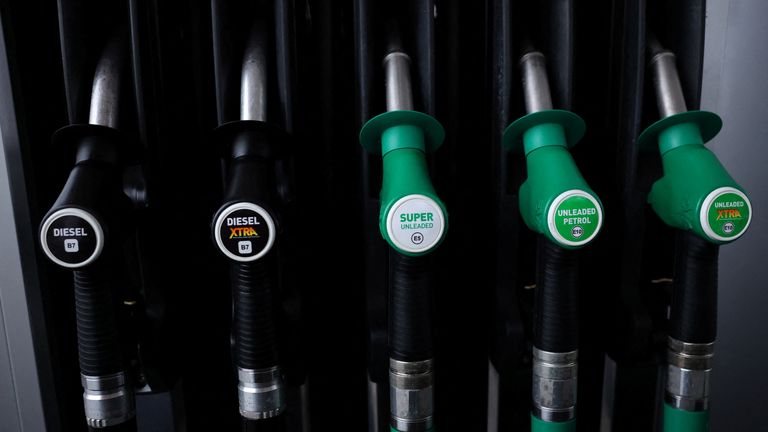
The burden of energy costs, including fuel, is already being passed on to companies. File photo: Reuters
The Middle East conflict poses challenges for the Bank of England, as it aims to prevent an energy-led increase in the pace of price growth, which would further hinder the economy.
LSEG data shows financial markets have fully priced in a 0.5 percentage point increase in the bank rate by the end of the year.
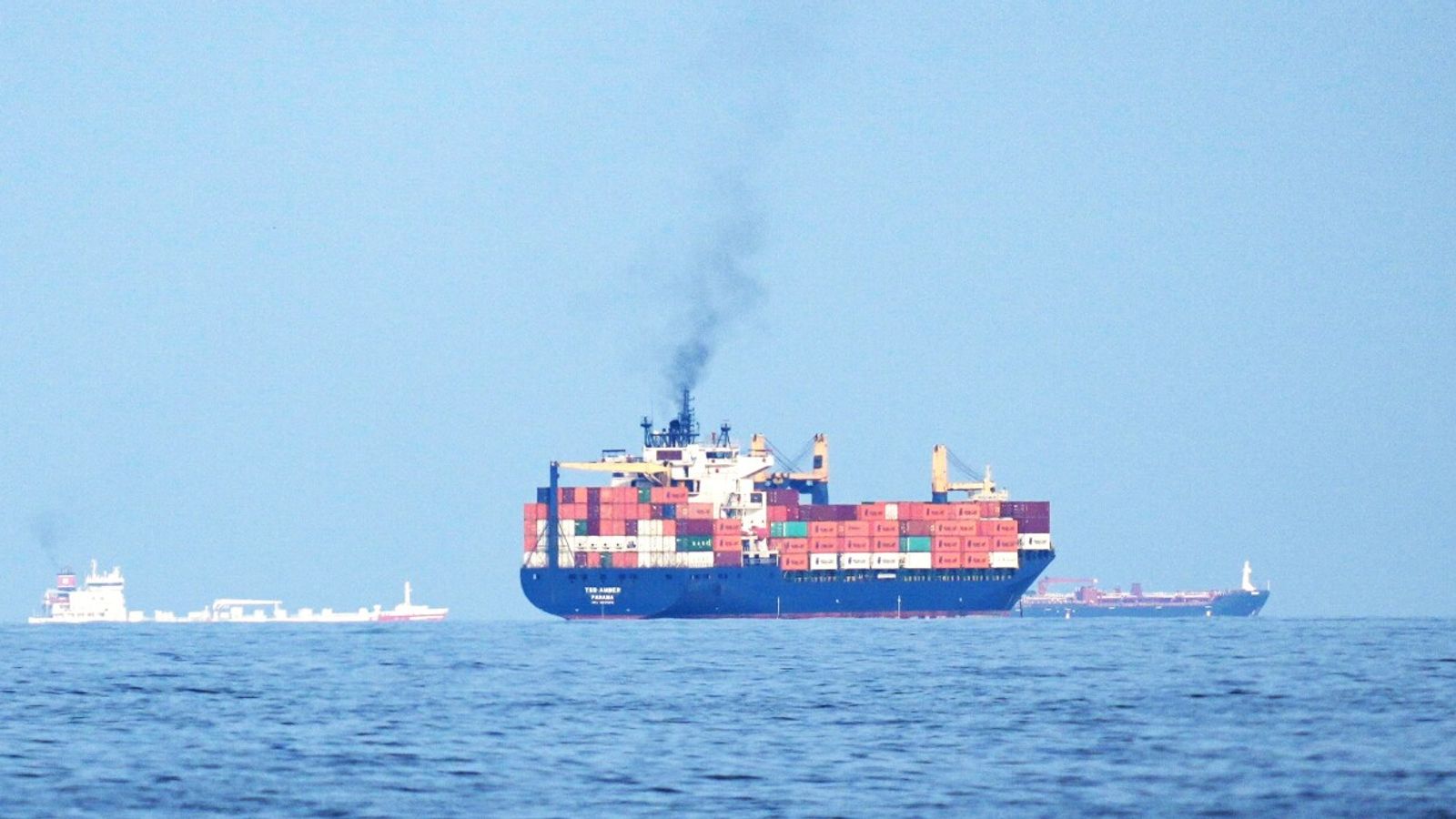
Oil prices have risen nearly 50% during March alone, despite rising hopes of a ceasefire between the US and Iran, which could eventually help unlock traffic through the Strait of Hormuz transit route.
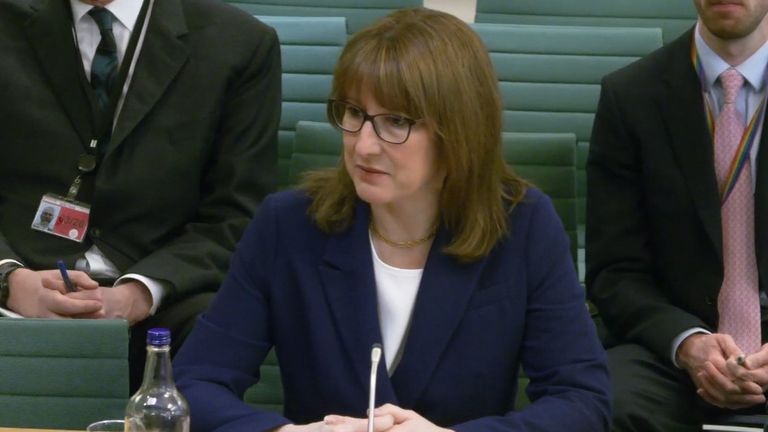
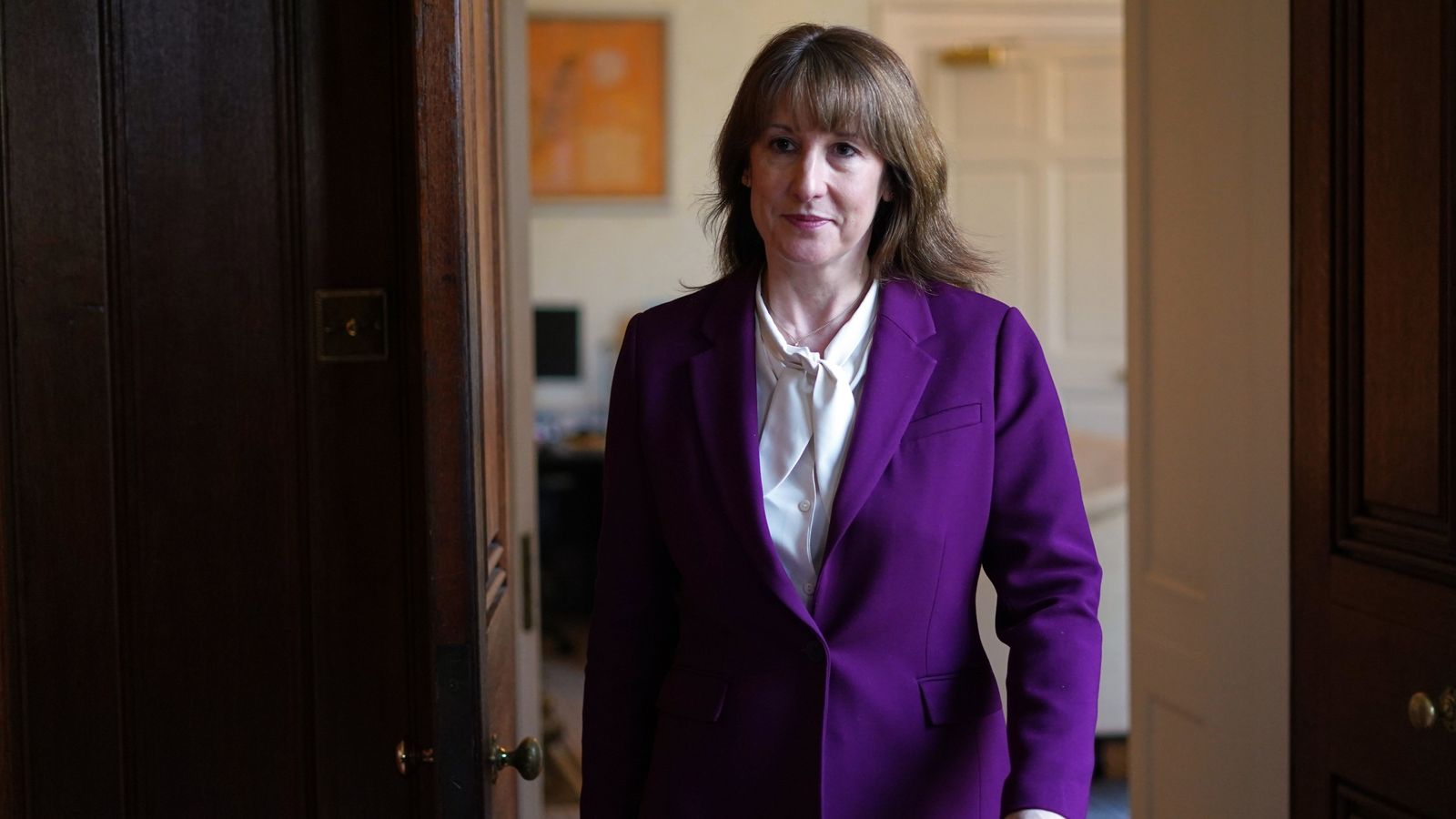
‘Definitely not good for the British economy’: Reeves on Iran war
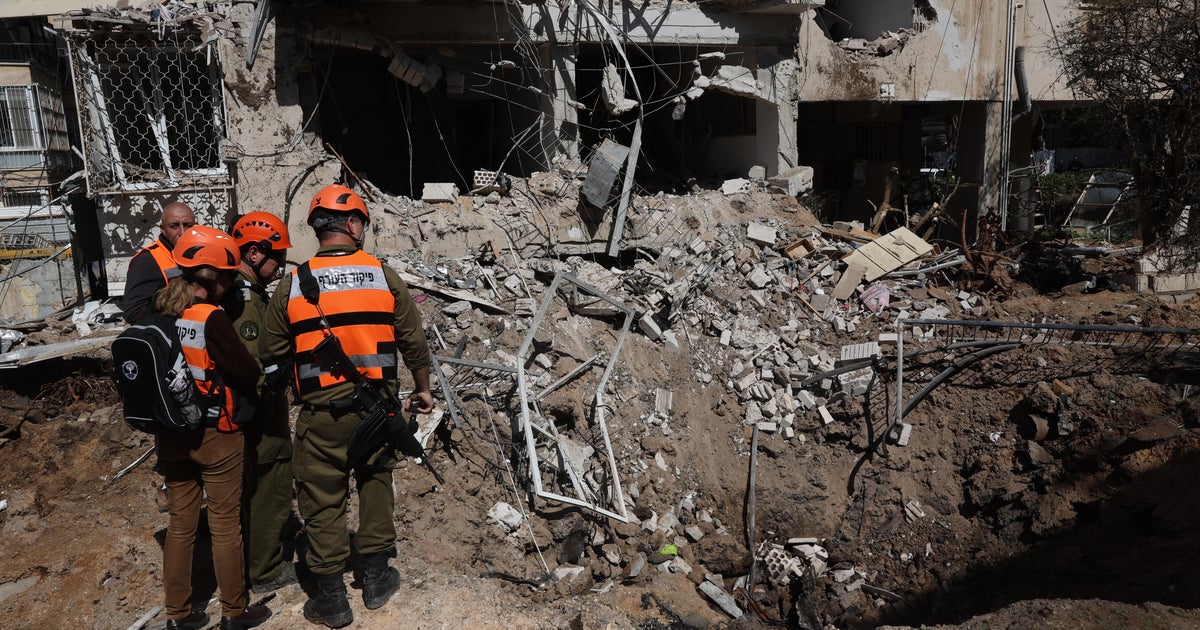
However, due to the damage caused to energy infrastructure across the Gulf, oil and natural gas prices will remain above pre-war levels for some time – even if there is an immediate ceasefire.
Chris Williamson, chief business economist at S&P Global Market Intelligence, said of its findings: “Output growth in manufacturing and services slowed as companies attributed lost business directly to events in the Middle East, whether due to increased risk aversion among customers, rising pricing pressures, higher interest rates, or disruptions in travel and supply chains.
“Rising energy prices and fragmented supply chains have led to higher inflation pressures
The acceleration in cost growth was particularly severe in the manufacturing sector, which was the sharpest after depreciation
of Sterling after Black Wednesday in 1992.
“The full effect on inflation and economic growth depends not only on the duration of the war but also on the
Disruption to energy markets and shipping, however, clearly underlines how downside growth risks and upside inflation risks have already emerged, as March’s PMI figures clearly underline.
“The Bank of England faces a challenging period where it will need to balance these growth and inflation risks
While setting policy, efforts are being made to reduce the possibility of inflation increasing by ensuring
“The tight interest rate outlook does not increase recession risks.”