

IndiGo plans to hire more than 1,000 pilots after crew shortage in December
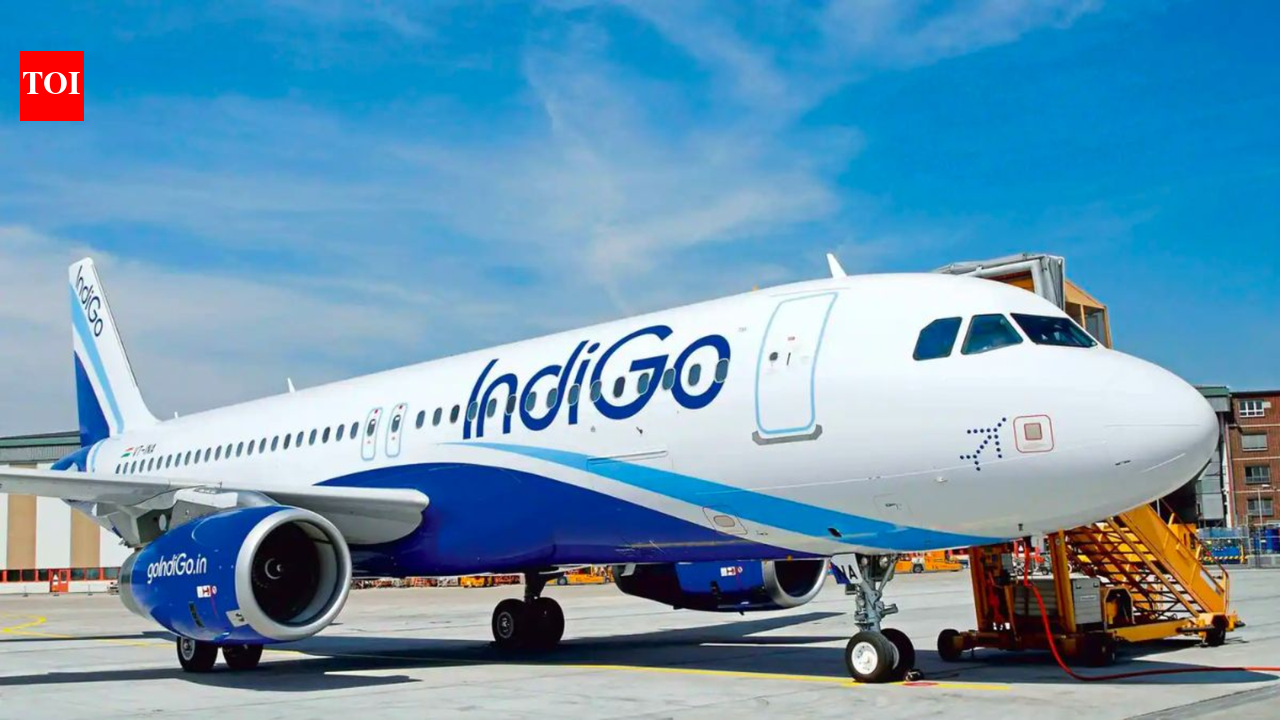
The country’s largest airline, Indigo, is ready to hire more than 1,000 pilots. This comes after the aviation giant faced massive operational disruption last December, when the company was forced to cancel more than 5,000 flights within seven days.
The new intake will include trainee first officers, senior first officers and commanders.
As reported by ET, a recruitment notice shows that the carrier is also ready to accept applicants without appointment on the workhorse aircraft Airbus A320 into its network.
Under the updated framework, the number of landings allowed between midnight and 6 am has been limited, while the mandatory weekly rest period for pilots has increased.
A review conducted by the Directorate General of Civil Aviation concluded that the airline had neither hired in line with the new regulations nor stepped up its training capacity.
The investigation noted that this resulted in frequent reassignments of pilots, longer duty periods, and greater use of deadheading, in which crew are taken as passengers to operate flights elsewhere.
pursue expansion
IndiGo is now continuously supplying cockpit crew to add aircraft at a faster pace, a senior official was quoted as saying by ET.
The airline’s in-house system is currently upgrading around 20-25 first officers to captains every month.
Now, in addition to the appointments, the airline has begun adjusting its network plan to create more opportunities for daily operations.
There was almost no buffer in December; this month the margin has been increased to 3%. Standby crew availability has also been increased to a minimum of 15%. Fleet expansion continues rapidly, with an average of about four aircraft joining the airline every month. Training remains a long-term activity.
Trainee first officers require approximately six months before being cleared to work, while promotion to captain requires at least 1,500 hours of flying, although airlines may set stricter standards.
While the regulator’s baseline requirement is three sets of pilots per aircraft, including a captain and a first officer, IndiGo’s intensive utilisation levels have made its requirement double that figure.
Data kept during the investigation into the December episode revealed that the airline required 2,422 captains but had 2,357 captains.
DGCA’s findings
Following the disruption, the watchdog stepped in with a temporary relaxation and suspension of night-duty restriction rules until February 10.
In its assessment, DGCA said excessive focus was given to maximum utilization of crew, aircraft and network resources, leading to significant reduction in roster buffer margins
The Directorate General of Civil Aviation said the airline structured its crew schedules to eke out the longest possible duty hours, leaning heavily on deadheading, tail swaps and extended work patterns, while leaving little room for recovery.
It said such a scheme undermined roster integrity and harmed operational flexibility.
***Make sure our latest news headlines always appear at the top of your Google search by making us a favourite source. Click here to activate, or alternatively, add us as a preferred source in your Google search settings. ***




One thought on “IndiGo plans to hire more than 1,000 pilots after crew shortage in December”
Comments are closed.