

ADHD & autism diagnoses face major overhaul as disability benefit claims soar with 4.4MILLION Brits now getting handouts
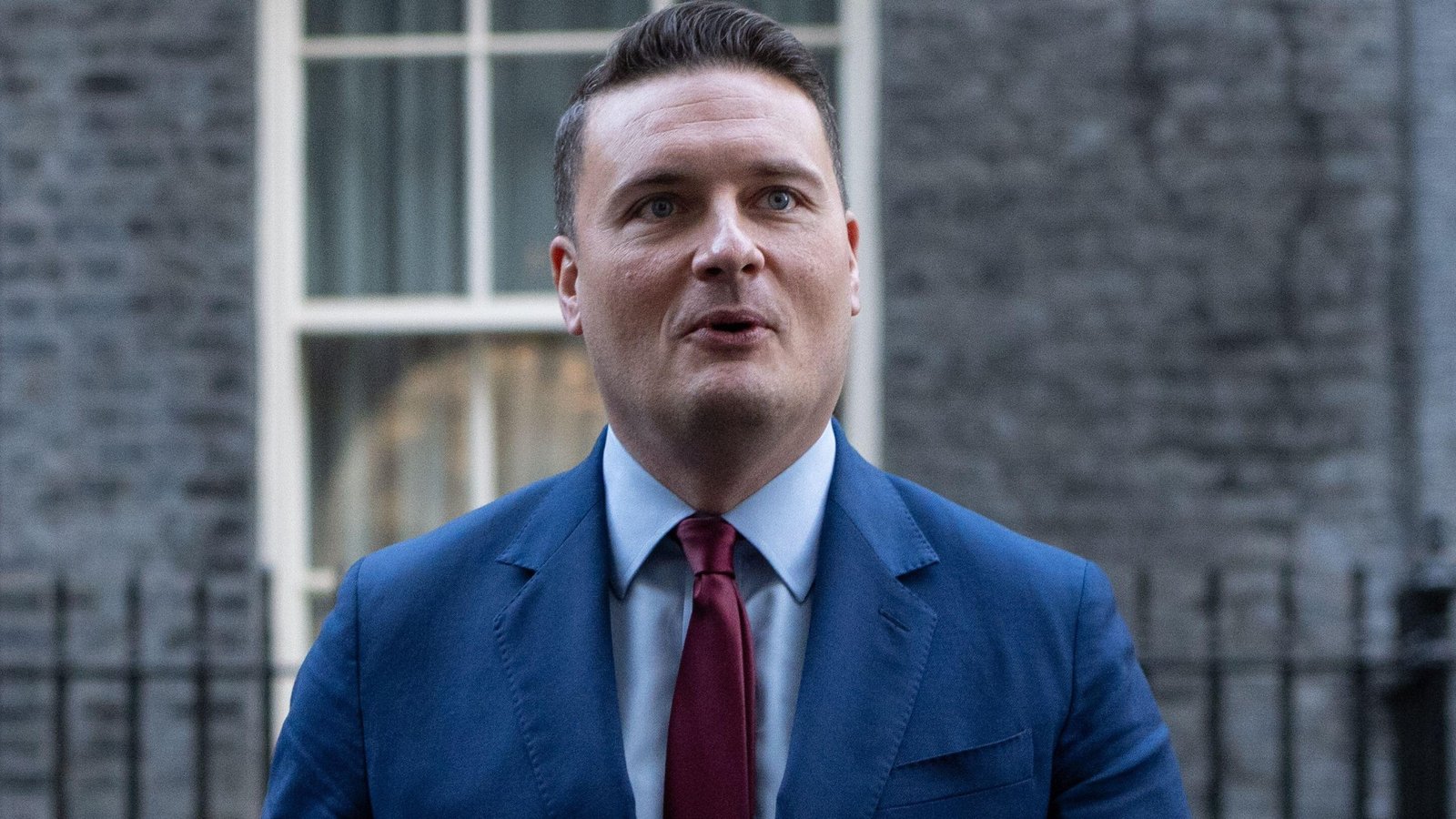
A MAJOR probe has been launched into mental health diagnoses as disability benefit claims soar.
Wes Streeting today ordered an inquiry into the rise of autism, ADHD and conditions such as depression, now the most common reasons for claiming handouts.

Experts will also examine whether social media is fuelling the bloated welfare bill by driving depression and anxiety in youngsters.
An eye-watering 4.4 million Brits of working age claim disability or incapacity benefit – up 1.2 million since 2019.
The Health Secretary will look at whether feelings of stress are being “over pathologised” and if “overdiagnosis” has led to too many being “written off”.
Shocking stats show 8.9 million people in England are now on antidepressants, up from 6.9 million a decade ago.
And in a major warning for public finances, the number of 16 to 34-year-olds off work with long-term sickness rose by 76 per cent between 2019 and 2024.
Mr Streeting said: “I know from personal experience how devastating it can be for people who face poor mental health, have ADHD or autism and can’t get a diagnosis or the right support.
“I also know, from speaking to clinicians, how the diagnosis of these conditions is sharply rising.
“We must look at this through a strictly clinical lens to get an evidence-based understanding of what we know, what we don’t know, and what these patterns tell us about our mental health system, autism and ADHD services.”
He added: “That’s the only way we can ensure everyone gets timely access to accurate diagnosis and effective support.”
The review, led by clinical psychologist Peter Fonagy, will make recommendations for improving NHS mental health services and getting people care before they hit crisis point.
More than half a million people are now on ADHD waiting lists, with around 800,000 having been diagnosed with the condition.
Professor Fonagy said: “We will examine the evidence with care — from research, from people with lived experience, and from clinicians working at the frontline of mental health, autism and ADHD services — to understand, in a grounded way, what is driving rising demand.
“We owe it to children and families, young people and adults to provide government with advice that is proportionate, evidence-based and capable of improving people’s lives.”