Israel and Lebanon reach historic agreement to end hostilities
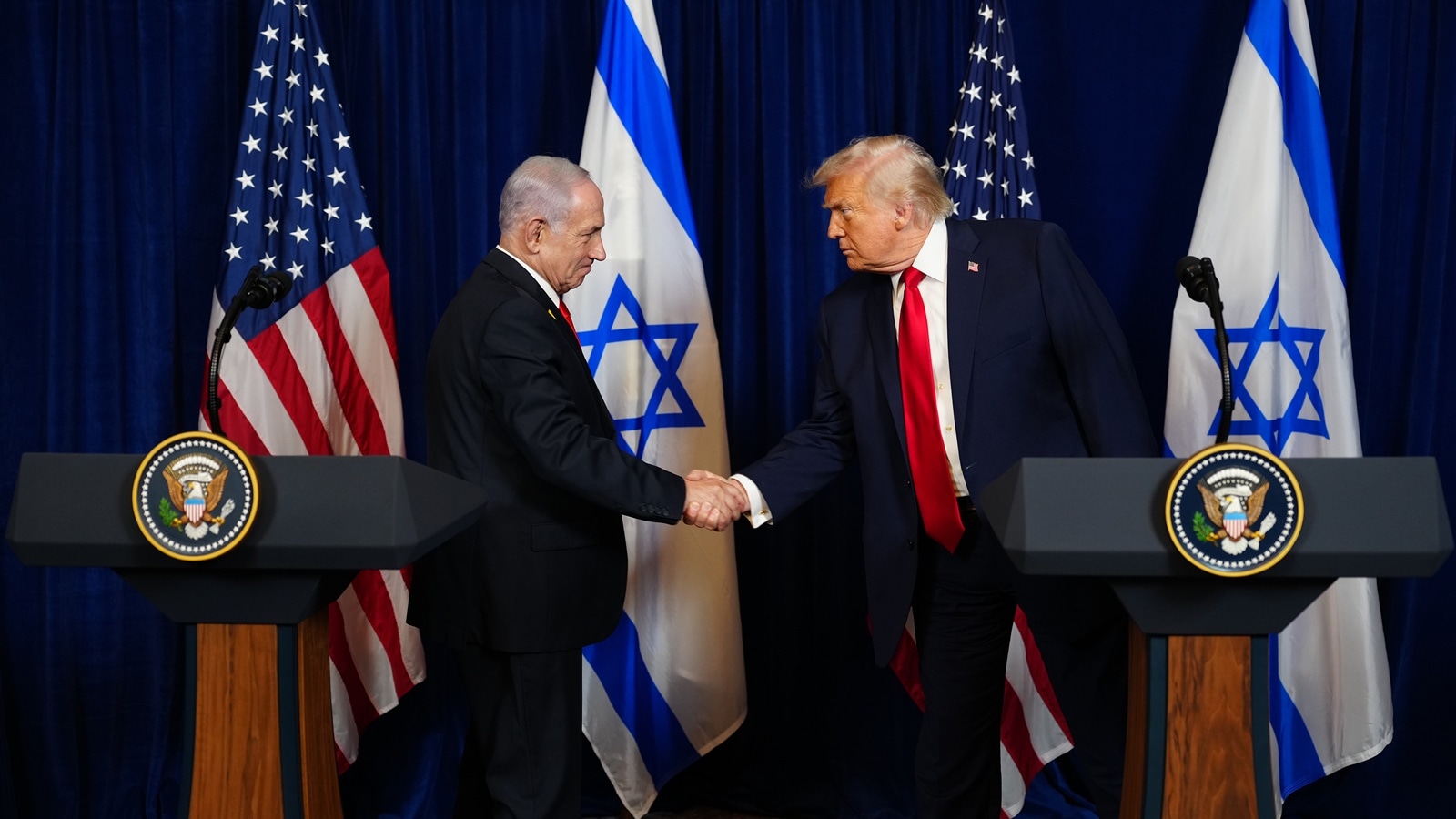
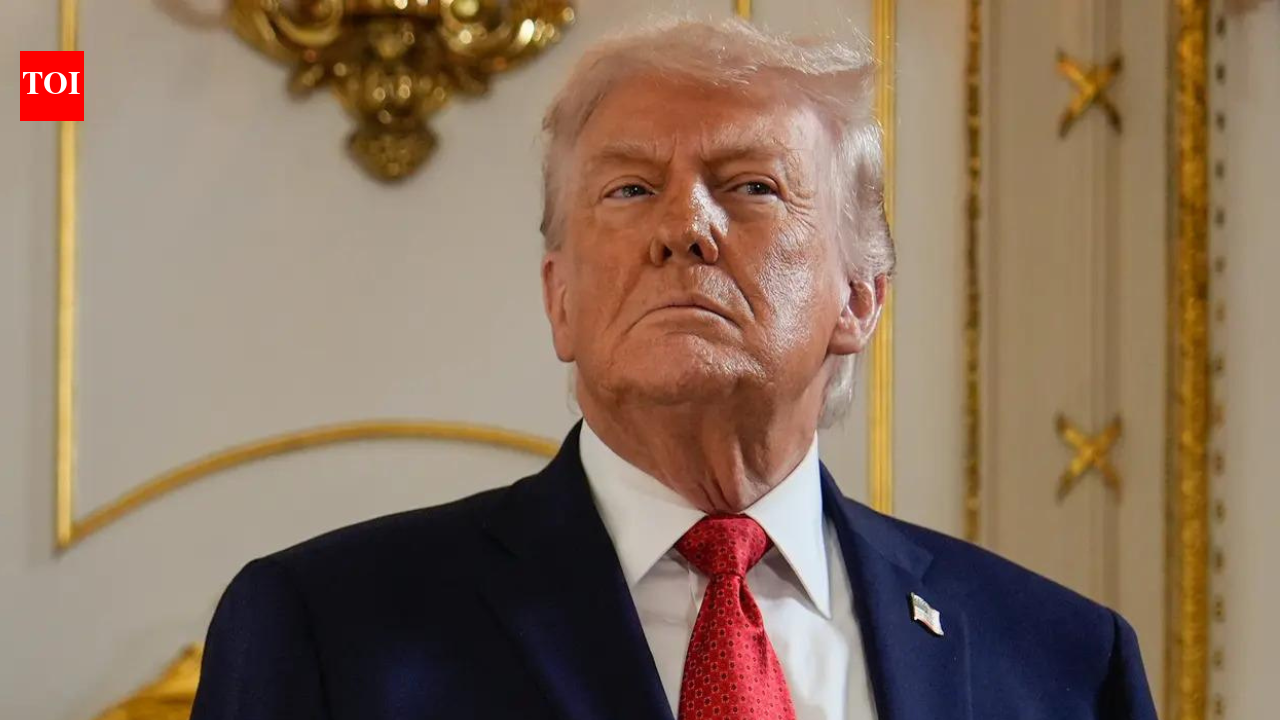
US President Donald Trump on Thursday announced a 10-day ceasefire between Lebanon and Israel, saying the agreement came after “excellent conversations” with Lebanese President Joseph Aoun and Israeli Prime Minister Benjamin Netanyahu.
In a post on Truth Social, Trump said the two leaders had agreed to formally begin a ceasefire at 5 p.m. EST, calling it a step aimed at achieving peace between the two countries.
“These two leaders have agreed that they will formally initiate a 10-day ceasefire to achieve peace between our countries,” Trump said.
Lebanon and Israel held their first direct diplomatic talks in decades in Washington on Tuesday, following more than a month of war between Israel and the Iran-backed Hezbollah militant group.
Trump said he has directed Vice President J.D. Vance and others will work with Israel and Lebanon to “achieve lasting peace.”
AON denies direct talks with Netanyahu
Trump’s announcement comes after Aon reportedly refused to talk to Netanyahu on Thursday.
A government official familiar with the developments told a news agency, The Associated Press, that the comments were made during a call with US Secretary of State Marco Rubio and that Washington was “understanding the situation in Lebanon.”
A second Lebanese official said Aoun explained to Rubio that given the ongoing airstrikes and destruction in Lebanon and the lack of a ceasefire, direct talks with Netanyahu would be inappropriate at this point.
Aon’s office acknowledged talks with Rubio in a public statement but did not mention the possibility of talks with Netanyahu.
Lebanon wants ceasefire before talks
The Lebanese government has been at odds with Hezbollah over its decision to join the war, having spent the past year trying to secure the peaceful disarmament of the group founded by Iran’s Revolutionary Guards in 1982.
Beirut banned Hezbollah’s military activities on 2 March.
Israeli and Lebanese ambassadors held rare talks in Washington on Tuesday, but the contact between Netanyahu and Aoun would mark a major milestone in relations between the two countries, which have been at war since Israel’s founding in 1948.
Hezbollah opposes contacts between Lebanon and Israel.
Earlier, Israel’s Security Cabinet member Gila Gamliel told Israel’s Army Radio that Netanyahu would “talk to the Lebanese president for the first time after so many years of no contact between the two countries.”.
Aoun said at the beginning of the war that he was ready for direct talks, but Lebanon’s position is that there should be a ceasefire before talks.
In a statement on Thursday, he said the ceasefire would be a “natural entry point for direct negotiations” with Israel.
Aoun, who commanded Lebanon’s US-backed forces before becoming president last year, said Israel’s withdrawal would be “a fundamental step toward consolidating the ceasefire” so that Lebanese forces could deploy to the south.
Fighting continues in south Lebanon
Fighting continues in southern Lebanon, particularly in the Lebanese border town of Bint Jbeil, a Hezbollah stronghold and strategic treasure that Netanyahu said on Wednesday Israeli forces were about to “capture.”
A senior Lebanese official said Lebanon believed Israel wanted to achieve a victory in Bint Jbeil before making diplomatic progress. A senior Lebanese security source said the Israeli attack destroyed the last bridge over the Litani River in the south, leaving almost a tenth of Lebanon completely cut off from the rest of the country after Israel destroyed other crossings during the war.
Hezbollah announced new rocket attacks on Israel. Sirens sounded in Israel, warning of incoming rockets, prompting residents of several northern Israeli cities to flee to bomb shelters. There were no immediate reports of any injuries.
Lebanese officials say Israeli strikes have killed more than 2,100 people in Lebanon since March 2 and forced more than 1.2 million to flee. Hezbollah attacks have killed two Israeli civilians, while Israeli soldiers have killed 13 in Lebanon since March 2.
Israel pledges ‘no-go’ zone for Hezbollah
The Israeli army chief of staff said on Wednesday that the area south of Litani would be a “no-go zone for Hezbollah activists,” reflecting Israel’s stated aim of taking control of a part of Lebanon south of the river where it meets the Mediterranean Sea, about 30 kilometres (20 miles) north of the Israeli border. Washington expressed hope on Wednesday to reach a deal to end the Iran war. After Pakistan’s mediation, both sides agreed to a two-week ceasefire in the Iran war on 8 April.
Israel and the US have said the campaign against Hezbollah was not part of that ceasefire, although Pakistan’s prime minister said the ceasefire would also include Lebanon, as demanded by Iran.
Netanyahu’s government was under heavy pressure from Washington to reach a ceasefire in Lebanon, a senior Israeli and Lebanese official said on Wednesday.
A senior US administration official said on Wednesday that the Trump administration had not asked for a ceasefire, but that the US president “would welcome a cessation of hostilities in Lebanon as part of a peace agreement between Israel and Lebanon”.