
“I love heights, man!” yells the man next to me as we awkwardly stuff our limbs into fire-engine red jumpsuits and tighten the straps. “I’ve wanted to do this activity for ages.”
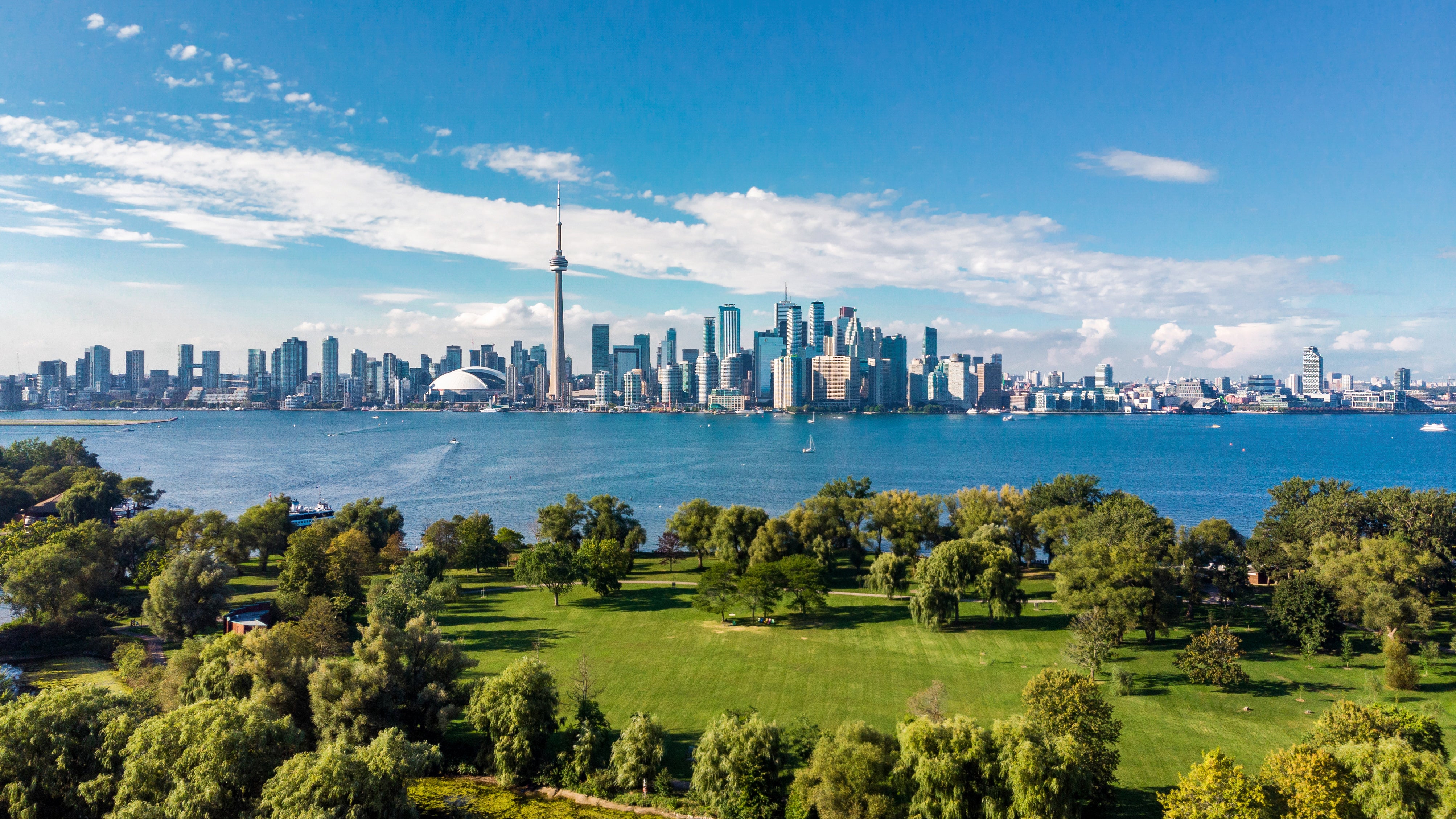
This golden retriever’s enthusiasm should be contagious, but any chutzpah I’ve ever seen flutters like a maple leaf in a crisp Canadian autumn wind. I’m at “base camp” for the Edge Walk, a 30-minute crawl around the edge of Toronto’s CN Tower, attached only by a black harness. A short elevator ride later, and our group of six is gently entering the elements at 356 meters (1,168 feet) above the ground.
Coal-black rain clouds billow ominously over Lake Ontario, and tourists below look like shifting grains of sand. As we try our “leaning forward” exercise, my hands stick out, gripping the cord of the harness. Still, suspended above that, seeing the city I once called home fanned beneath me is oddly comforting.
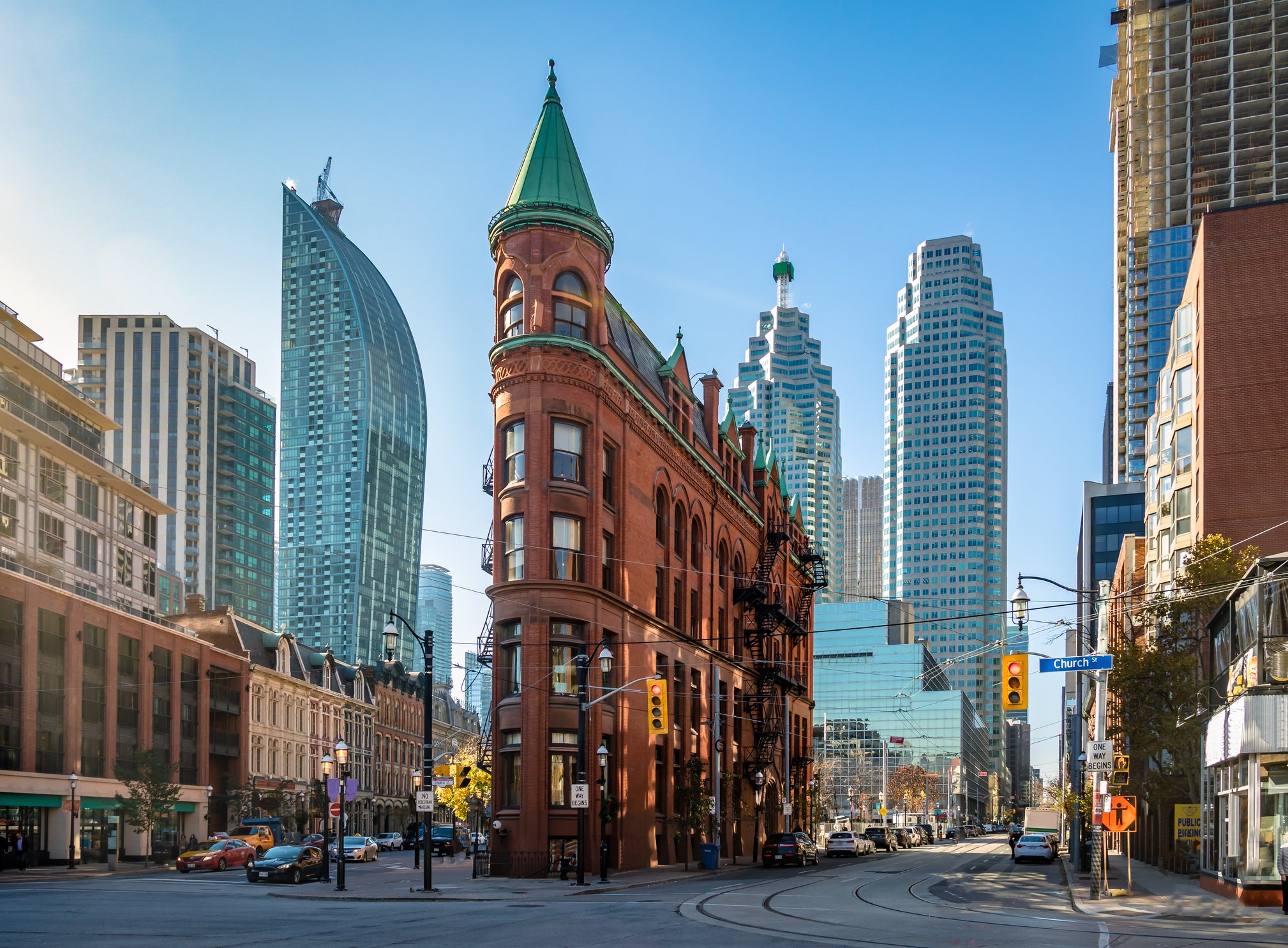
My first summer in Toronto was a whirlwind of riding carnation-red streetcars, sipping happy hour beers on downtown rooftops, bouncing around busy hostels, learning the rules of ice hockey, and savouring the camaraderie of fellow travellers from around the world. That was 2011. Now, 15 years later, Canada’s largest city is gearing up to host six matches at the 2026 FIFA World Cup.
I stayed for two years, and this place still feels like home. When I first arrived, Toronto’s international character was intoxicating to me, with more than half of its three million people born outside of Canada and more than 180 languages spoken. When I finally got to attractions like the Royal Ontario Museum and the Norman Foster-designed Art Gallery of Ontario, it was the city’s diverse neighbourhoods that captured me the most.
Forget New York and Chicago – this friendly Canadian gem is a North American city I return to time and time again.
“There’s definitely a neighbourhood mentality here,” says Saro Yacoubian, one of three brothers who run Tallin, a Lebanese-influenced Armenian restaurant in Toronto’s leafy Summer Hill neighbourhood. It’s the first time I’ve been to this corner of town, a few blocks north of the bustling Yonge and Bloor intersection, and the first time I’ve had Armenian food.
“In the 1960s, here was a tailor’s place, and upstairs was where the tailor lived. Funnily enough, he was Armenian too. Total coincidence!” Yakubian laughs before explaining what I’m going to eat tonight. I don’t know where to get Armenian food in the UK, but in a city like London, with a world market of cultures and cuisines, it’s only Wednesday night.
Talin is the name of the brothers’ late mother, and I see improved versions of the hearty Armenian-Lebanese dishes she once cooked for them, like boat-shaped meat fritters. believe or tender, well-seasoned vochkhar lambs
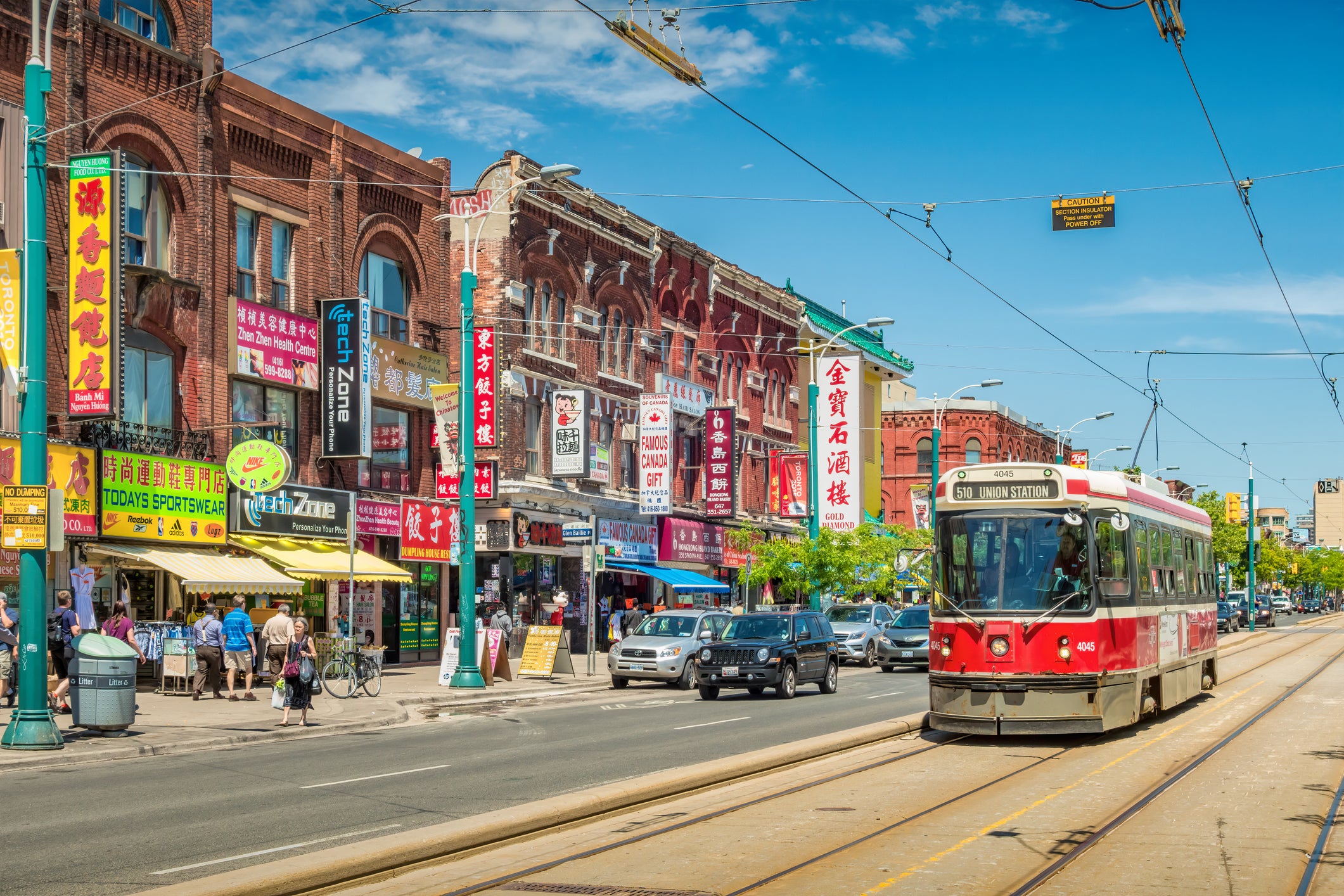
The dishes are excellent, but Summerhill is not the only neighbourhood with great food. It’s Portuguese. Bacalhau on Dundas St. West, Polish dumplings on Ron’s Wells, Korean BBQ on Bloor St. West, or Peking duck in Spadina’s historic Chinatown. My salvation, though, was always Kensington Market.
Read more: The Seven Most LGBT+ Friendly Hotels in Toronto
Spending my first night at the glittering Bisha Hotel, I feel like an interloper. This was not my world 15 years ago. I struggled to afford rent and became an expert on affordable pints and inexpensive poutine. Toronto’s skyline may be tall and glassy, but the edgy, multicultural spirit of Kensington Market is as charming as ever.
“Kensington Market is a microcosm of everything Toronto is,” says my guide CJ, as she leads a bustling food tour from Chinatown through the art-filled streets of Kensington. The air is filled with incense, pro-Palestinian flyers are distributed, and pride flags flutter over homes. The vintage stores and shabby dive bars I frequented are still here, and a rotating set of cheap bites brings new surprises, with Jamaican beef patties, generously filled tacos, and deep-fried chicken providing a torturous array of choices.
“Diversity, multiculturalism. It means everyone is welcomed, recognised, and respected,” CJ added, before leading our group to a mobile brunch.
Read more: Canada’s perfect city break for those seeking an alternative to the US.
If food and soccer are closely related, the World Cup provides a platform to highlight Toronto’s other beloved sports. Initially, I dismissed ice hockey, basketball, and baseball, but by the end of my first summer, I had become a devoted Toronto Blue Jays fan. This is the local baseball team that came close to winning the World Series championship last October. Ticket prices for games at the hulking Rogers Center Stadium (conveniently located downtown next to the CN Tower) are always cheap in the summer, and on a warm evening, with a beer in hand, the games are a lot of fun, even if the rules seem as complicated as a Russian novel to the uninitiated.
Six World Cup matches will be played at Toronto Stadium near the waterfront. Normally home to Major League Soccer’s Toronto FC, its 28,000 capacity is being expanded to 45,000 for the tournament, with two new grandstands and plush new suites. The Bentway, normally a concrete underpass, is being transformed into a vibrant arts, music, and events space, and it will host the official FIFA Fan Zone. I would also recommend wandering into nearby Liberty Village for more drinks and entertainment. It was where I got my first job in Toronto, although the less said about it, the better. I was never fired for manual labour.
Read more: Why Victoria is an Overlooked Canadian City You Need to See
One place I was cut out for was Loose Moss, a cartoonish favourite of my time – a city pub with almost as many screens as pints on tap. I spent my last night in the city well, with the Blue Jays on the TV and a cold Canadian pint in hand.
“It always makes me happy, because it reminds me to be happy,” the great food critic and raconteur AA Gill wrote of his old home, New York. I feel the same way about Toronto. Next time though, I’ll probably just stick to the CN Tower’s indoor viewing deck.
How to get there
Heathrow, Gatwick, Manchester and Edinburgh all offer direct flights to Toronto. Airlines flying there include Air Transit, Air Canada, British Airways, and Virgin Atlantic. The average flight time is around seven hours.