

Fennel Seeds (Sounf): 8 Surprising Benefits and 4 Side Effects You Should Know
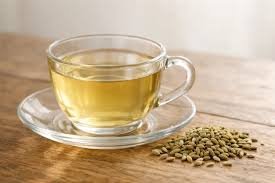
Discover the complete guide to fennel seeds (sounf), including their impressive health benefits, potential side effects, and safe daily consumption tips
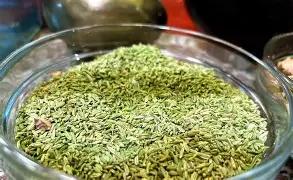
For centuries, the tiny, aromatic seeds you often find at the entrance of Indian restaurants have been more than just a breath freshener. Known as fennel seeds (sounf) in Hindi, these humble seeds are a cornerstone of traditional medicine across Asia, the Middle East, and the Mediterranean. But while their sweet, liquorice-like flavour is familiar to many, the full spectrum of their health benefits—and their potential side effects—are less widely understood.
Whether you’re a culinary enthusiast, someone exploring natural remedies, or simply curious about what you’re consuming after a meal, understanding fennel seeds (sounf) is essential. Let’s dive deep into the science-backed benefits, the lesser-known risks, and how to incorporate this ancient remedy into your modern life safely.
What Exactly Are Fennel Seeds (Sounf)?
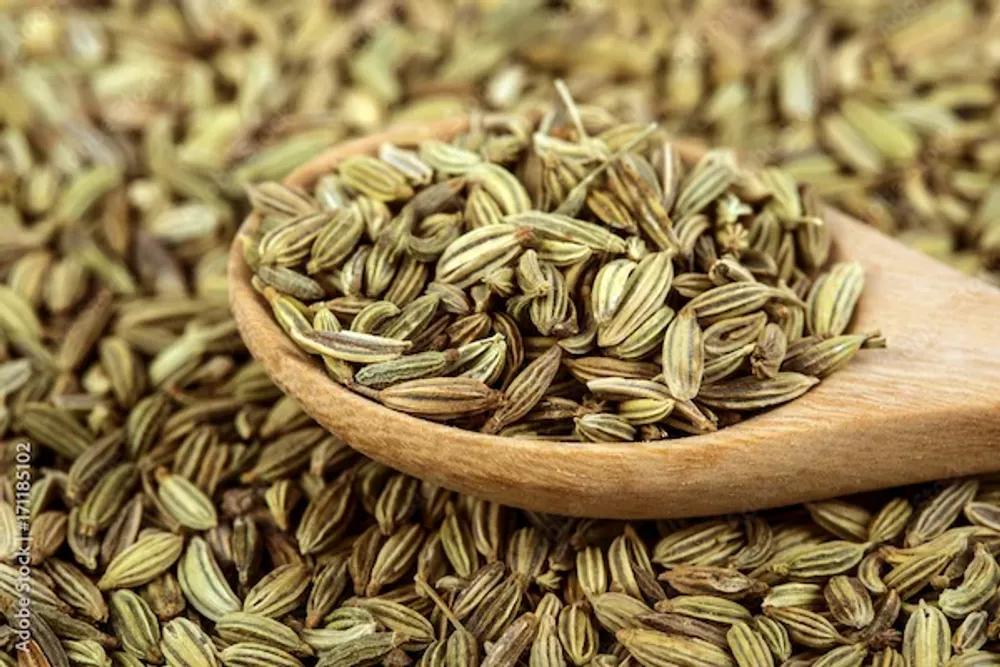
Fennel seeds come from the Foeniculum vulgare plant, a flowering herb in the carrot family. Fennel is native to the Mediterranean but is now grown worldwide, and all parts of the plant are edible. However, the seeds are the most prized part, celebrated for their concentrated essential oils—primarily anethole, fenchone, and estragole—which give them their distinctive flavour and medicinal properties.
When you consume fennel seeds (sounf), you are tapping into a rich history of use in Ayurveda, traditional Chinese medicine, and ancient Greek healing practices. Today, modern science is beginning to validate what traditional healers have known for millennia.
8 Powerful Benefits of Fennel Seeds (Sounf)
1. Aids Digestion and Relieves Bloating
This is arguably the most well-known benefit. Chewing fennel seeds (sounf) after a meal stimulates the secretion of digestive enzymes and gastric juices. The volatile oils help relax the smooth muscles of the digestive tract, reducing gas, bloating, and abdominal discomfort. It’s a natural, effective remedy for indigestion.
2. Supports Heart Health
Fennel seeds (sounf) are a good source of dietary fibre, which helps reduce cholesterol levels. Additionally, their high potassium content aids in regulating blood pressure by counteracting the effects of sodium. The seeds also contain antioxidants like flavonoids that help reduce oxidative stress, a key factor in heart disease.
3. Acts as a Natural Breath Freshener
The antimicrobial properties of the essential oils in fennel seeds (sounf) help combat the bacteria in the mouth that cause bad breath. Chewing a small handful after a meal is a simple, sugar-free alternative to commercial mouthwashes and mints.
4. May Help Regulate Menstrual Cycles
For centuries, fennel seeds (sounf) have been used to alleviate menstrual discomfort. Studies suggest that the compound anethole can mimic the effects of oestrogen, which may help regulate irregular periods and reduce the severity of cramps. Many women find that fennel seed tea is soothing and effective during their cycle.
5. Rich in Antioxidants
The seeds are packed with powerful plant compounds, including rosmarinic acid, chlorogenic acid, and quercetin. These antioxidants help neutralise free radicals in the body, reducing inflammation and potentially lowering the risk of chronic diseases like cancer and diabetes.
6. Promotes Healthy Skin
The anti-inflammatory and antimicrobial properties of fennel seeds (sounf) make them beneficial for skin health. Drinking fennel tea can help flush toxins from the body, potentially reducing acne and promoting a clearer complexion. The seeds also contain minerals like zinc and selenium, which are essential for skin repair and protection.
7. May Aid Weight Loss
Fennel seeds (sounf) are often recommended in weight loss regimens for two reasons. First, they act as a mild diuretic, helping reduce water retention. Second, their natural sweetness can help curb cravings for sugary treats, making it easier to stick to a healthy eating plan.
8. Supports Respiratory Health
The expectorant properties of fennel seeds (sounf) can help loosen phlegm and soothe coughs. Drinking fennel tea during cold and flu season may provide relief from congestion and sore throats.

4 Potential Side Effects of Fennel Seeds (Sound)
While fennel seeds (sounf) are generally safe for most people when consumed in moderate amounts (about 1-2 teaspoons per day), excessive consumption can lead to unwanted effects.
1. Allergic Reactions
Though rare, some individuals may be allergic to plants in the Apiaceae family (which includes carrots, celery, and parsley). Symptoms can include skin rashes, itching, swelling, or difficulty breathing. If you experience any of these after consuming fennel seeds (sounf), discontinue use immediately and seek medical advice.
2. Hormonal Effects in Pregnancy
Due to its oestrogen-like properties, fennel seeds (sounf) should be consumed with caution during pregnancy. Large amounts could potentially stimulate uterine contractions. While a small sprinkle in food is generally considered safe, concentrated forms like supplements or large quantities of tea should be avoided during pregnancy unless approved by a healthcare provider.
3. Drug Interactions
Fennel seeds (sounf) can interact with certain medications. They may:
- Slow blood clotting, potentially increasing bleeding risk if taken with blood thinners like warfarin.
- Interfere with the absorption of certain antibiotics.
- Affect hormone-sensitive medications, including some birth control pills and tamoxifen.
4. Photosensitivity
Some compounds in fennel seeds (sound) can make the skin more sensitive to sunlight. In very high doses, the compound could increase the risk of sunburn. Such sensitivity is rarely a concern with dietary intake but is worth noting for those using concentrated fennel oil or supplements.
How to Safely Incorporate Fennel Seeds (Sounf) into Your Routine
The key to enjoying fennel seeds (sounf) safely is moderation. Here are simple, effective ways to include them in your daily life:
| Method | How to Use | Best For |
|---|---|---|
| Chew Raw | Take 1 teaspoon after meals and chew thoroughly. | Fresh breath and immediate digestive aid. |
| Fennel Tea | Steep 1 teaspoon of crushed seeds in hot water for 5-10 minutes. | General wellness, menstrual relief, calming effects. |
| Cooking | Add whole or ground seeds to curries, soups, breads, and roasted vegetables. | Culinary flavour and digestive support with meals. |
| Infused Water | Soak 1 tablespoon in a litre of water overnight. Drink throughout the day. | Mild diuretic effect and gentle hydration. |
Who Should Be Cautious?
- Pregnant women: Consult your doctor before consuming medicinal quantities.
- Breastfeeding mothers: While fennel is traditionally used to boost milk supply, excessive use should be discussed with a healthcare provider.
- Children: Small amounts are safe, but avoid concentrated supplements.
- Individuals with hormone-sensitive conditions: Conditions like endometriosis, breast cancer, or uterine fibroids warrant a conversation with a doctor.
The Bottom Line
Fennel seeds (sounf) are far more than a simple mouth freshener. They are a potent, versatile natural remedy with a long history of use and growing scientific support for their digestive, hormonal, and antioxidant benefits. When used mindfully and in moderation, they can be a valuable addition to a healthy lifestyle.
However, as with any natural remedy, it’s wise to be aware of potential side effects. Fennel seeds (sounf) are powerful, and their benefits come with the need for respect. If you have underlying health conditions or take regular medications, a quick consultation with your healthcare provider can ensure you enjoy all the benefits without any unwanted surprises.
Disclaimer: This article is for informational purposes only and does not constitute medical advice. Always consult a qualified healthcare professional before making changes to your diet or using herbal remedies, especially if you are pregnant, nursing, or taking medication



One thought on “Fennel Seeds (Sounf): 8 Surprising Benefits and 4 Side Effects You Should Know”
Comments are closed.