

Introduction
In today’s digital world, fraudsters are becoming more sophisticated, and scams are more common than ever. The topic “Three common scams and how to protect yourself from them” is especially important because anyone can become a target, regardless of age, location, or experience online.
Scammers use emotional manipulation, urgency, and fake identities to trick people into giving away money or personal information. Understanding how these scams work is the first step in protecting yourself.
This guide explains three common scams and how to protect yourself from them in a clear and simple way, so you can stay safe online and offline.
1. Phishing Scams (Fake Emails and Messages)
Phishing is one of the most widespread scams today. It happens when criminals pretend to be trusted organisations such as banks, delivery companies, or government agencies. They send fake emails, text messages, or links designed to steal your personal information.
How it works:
- You receive an email saying your bank account has been “suspended”
- Or a message claiming you have a “failed parcel delivery”
- You are asked to click a link and enter personal details
- The website looks real but is fake
Once you enter your details, scammers can access your accounts.
Warning signs:
- Urgent language like “act now” or “your account will be closed”
- Poor spelling or unusual email addresses
- Links that don’t match official websites
How to protect yourself:
- Never click suspicious links in emails or messages
- Always go directly to official websites instead of using links
- Enable two-factor authentication on your accounts
- Check the sender’s email carefully before responding
Phishing remains one of the most dangerous examples of three common scams and how to protect yourself from them, especially because it looks so believable.

2. Phone Call Scams (Impersonation Fraud)
Phone scams are becoming increasingly common. In this type of fraud, scammers call pretending to be from banks, tech support companies, or government departments.
They often create panic by saying there is a serious issue with your account or device.
How it works:
- A caller claims to be from your bank’s fraud department
- They say suspicious activity has been detected
- They ask you to confirm your PIN, password, or security code
- Or they request remote access to your device
Once they gain trust, they steal money or sensitive information.
Warning signs:
- Unexpected calls asking for personal details
- Pressure to act immediately
- Requests for passwords or banking codes (legitimate companies never ask for this)
How to protect yourself:
- Hang up immediately if something feels wrong
- Call the organisation back using official numbers
- Never share one-time passcodes or PINs over the phone
- Register your number with a call-blocking service, if available
Phone scams are a key part of understanding three common scams and how to protect yourself from them, especially for older adults and frequent phone users.
3. Online Shopping Scams (Fake Websites and Offers)
Online shopping scams happen when fraudsters create fake websites or listings that look like real online stores. They attract victims with extremely low prices or limited-time offers.
How it works:
- You find a “deal” on social media or search engines
- The website looks professional and legitimate
- You place an order and pay
- The product never arrives, or you receive fake goods
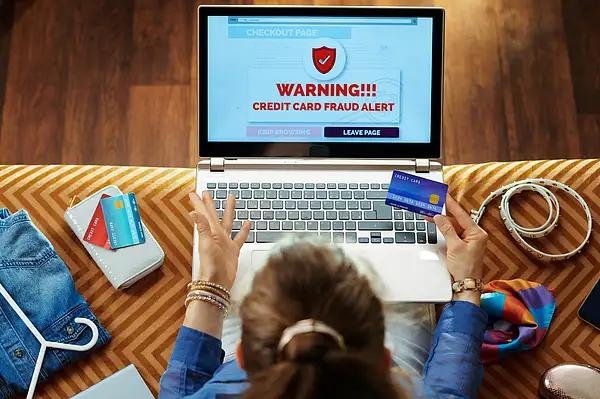
In some cases, scammers also steal credit card details and use them for further fraud.
Warning signs:
- Prices that are too good to be true
- No contact details or unclear return policies
- Websites with unusual URLs or spelling errors
How to protect yourself:
- Only shop from trusted and well-known retailers
- Check reviews before buying
- Use secure payment methods like credit cards or PayPal
- Avoid deals that feel unrealistic
Online shopping fraud is one of the fastest-growing examples of three common scams and how to protect yourself from them, especially during holiday seasons and sales events.
General Tips to Stay Safe from Scams
While scams come in many forms, there are some universal safety habits that can protect you:
- Always verify before trusting any message or call
- Be cautious of urgency or emotional pressure
- Keep software and devices updated
- Use strong, unique passwords for each account
- Enable security alerts on banking and email accounts
Awareness is your best defence.
Conclusion
Understanding three common scams and how to protect yourself from them is essential in today’s connected world. Phishing emails, phone impersonation fraud, and fake online shopping websites are among the most common threats faced by individuals every day.
By staying alert, questioning suspicious messages, and using basic security practices, you can significantly reduce the risk of becoming a victim. Scammers rely on confusion and urgency—but informed users are much harder to trick.
Staying safe is not about fear; it’s about awareness and smart digital habits.